“This is not the end. It is not even the beginning of the end. But it is perhaps the end of the beginning.”
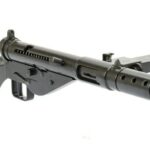
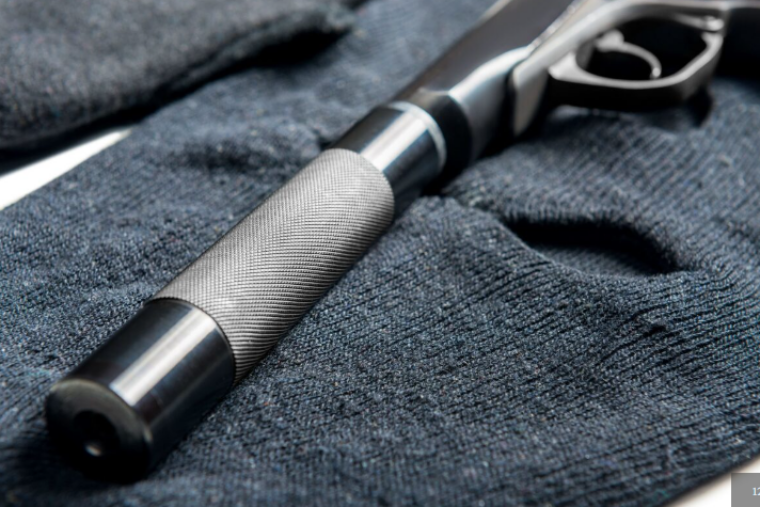
In a decision issued on August 5, U.S. District Judge James Wesley Hendrix (N.D. Tex.) ruled in Silencer Shop Foundation v. Bureau of ATF that the One Big Beautiful Bill Act, which repealed the taxes for the making and transferring of certain firearms under the National Firearms Act (NFA), left the law without any basis for its registration requirements in the authority of Congress to “lay and collect Taxes.” U.S. Const. art. I, § 8. cl. 1. The firearms affected are short-barreled rifles, short-barreled shotguns, silencers, and “any other weapon[s],” all defined in 26 U.S.C. § 5845. Machineguns and destructive devices remain subject to the $200 tax.
This result is a no-brainer, as Congress enacted the NFA as a tax measure under the Internal Revenue Code and the Supreme Court upheld it as such in Sonzinsky v. United States (1937), which the Court reaffirmed in NFIB v. Sebelius (2012), the Obama-care case. Citing this author’s article on the subject, the district court wrote that “the NFA was Congress’s attempt to regulate so-called ‘gangster weapons’ linked to Prohibition Era violence.” The purpose of the NFA requirement that the “firearms” under the Act be registered was to keep track of who paid the tax. Repeal of the tax pulled the rug out from under the registration requirement.
Silencer Shop next considered the government’s argument that the regulatory requirements for the making and transfer taxes support the collection of the NFA’s special occupational taxes (SOTs), which persons in the business of manufacturing, importing, and dealing in NFA firearms must pay annually. But collection of those taxes is implemented through the registration requirements for such businesses and the penalties for noncompliance. The regulatory scheme for the SOTs is completely distinct from that for the making and transfer taxes.
By Stephen P. Halbrook