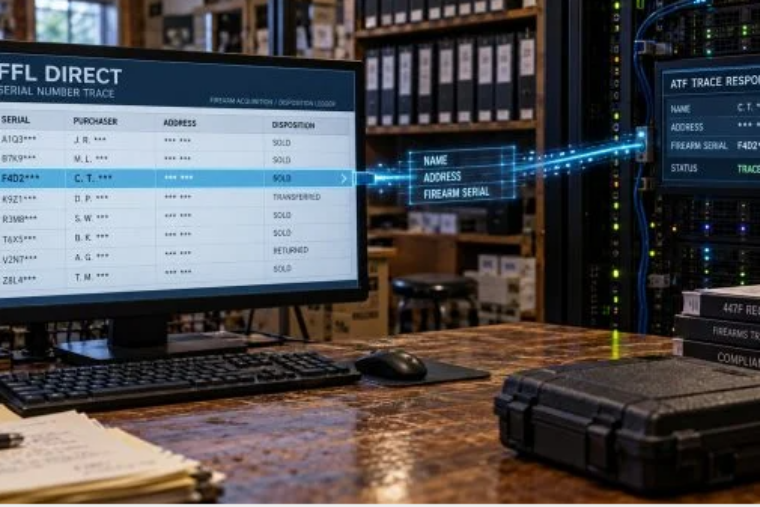
Put electronic 4473s together with a system that gives ATF automated access to dealers’ electronic transaction records, and you have created the infrastructure for a de facto registration system, regardless of what the government calls it.
At the Briefing FFL Compliance Summit last week in Dallas, the Bureau of Alcohol, Tobacco, Firearms and Explosives (ATF) walked industry professionals through a new way to answer crime-gun traces. The program is called FFL Direct. ATF billed it as a no-cost way to cut the burden on Federal Firearms Licensees (FFL) and to get serial-number hits back to the National Tracing Center (NTC) without a clerk, a fax machine, or a voicemail. The slides compared it with the older NTC Connect program and then showed, in working JSON, exactly what a request and a reply look like.
The pitch is operational. The architecture is more interesting than the pitch.
FFL Direct is an opt-in system. It is not a new statute. A shop does not have to turn it on. ATF issues production credentials only after the licensee signs a Terms of Service (ToS) Agreement. If a software vendor or other service provider sits in the middle, that vendor also has to sign the Rules of Behavior. Test accounts come first. The FFL works with ATF’s project team to build, test, and validate the connection. Only then do the two sides set a go-live date. That is the opposite of a midnight rule. It is also how infrastructure gets normalized: one cooperative agreement at a time, until the holdouts are the ones still answering traces by hand.
By John Crump