This article uses satire to expose a serious flaw in the “only flintlocks are protected” argument. Constitutional rights are not frozen in 1791. The First Amendment protects the internet, television, and social media even though none existed when the Bill of Rights was written. The Second Amendment likewise protects modern firearms, not just muskets.
What’s often overlooked is that the debate isn’t really about flintlocks. For decades, many gun owners have viewed arguments about registration, licensing, “assault weapons,” and other restrictions as incremental steps toward broader disarmament. Whether you agree with that assessment or not, history shows that calls for sweeping firearm bans have existed within the gun-control movement for a very long time.
The article is satirical in tone, but its core point is serious: constitutional rights don’t become obsolete simply because technology advances.
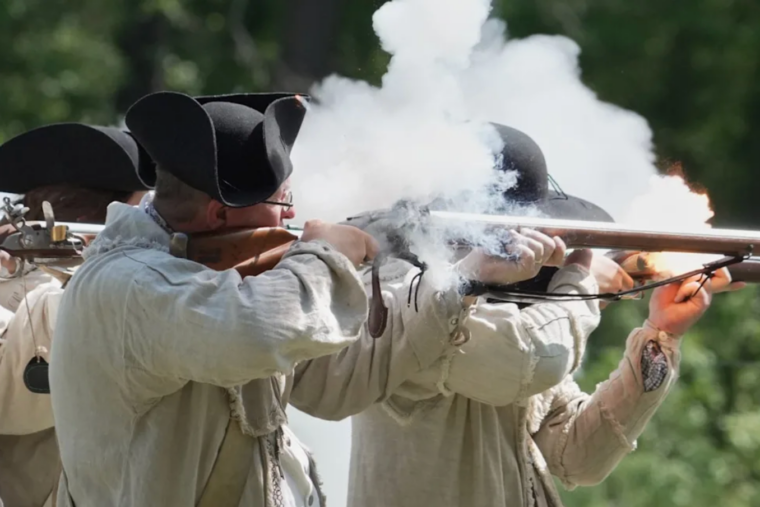
In 2001, a Los Angeles Times op-ed laid out what the author believed was the definitive limit of Second Amendment protection. American citizens, the author wrote, had the constitutional right to own flintlock muskets and pistols — and nothing more.
“I believe that the framers of the Bill of Rights intended that the right of every American citizen to bear flintlock muskets and pistols should not be infringed,” the author wrote. “I believe that American citizens today — without fingerprinting, without a license, without a background check — ought to be able to own as many flintlock muskets and pistols as they want. If they want to fill up their garages with them, that should be nobody’s business but their own.”
The piece was satirical in framing but earnest in substance. The argument — that the Second Amendment’s “arms” should be limited to 18th-century weapons technology — was a serious gun-control position in 2001 and remained so for the next two decades. Variations on it appeared regularly in mainstream commentary, in academic legal arguments, and occasionally in judicial opinions.
By Mark Chesnut