Why the “Common Use” Standard is Essential to Jewish Self-Reliance
In my recent essay, The Case That Could Rewrite Federal Gun Law, I discussed how the National Firearms Act of 1934 may now be facing what I called a constitutional pincer movement. If the tax that justified the law is effectively reduced to $0, the government may have undermined the very constitutional authority it relied upon when the law was created.
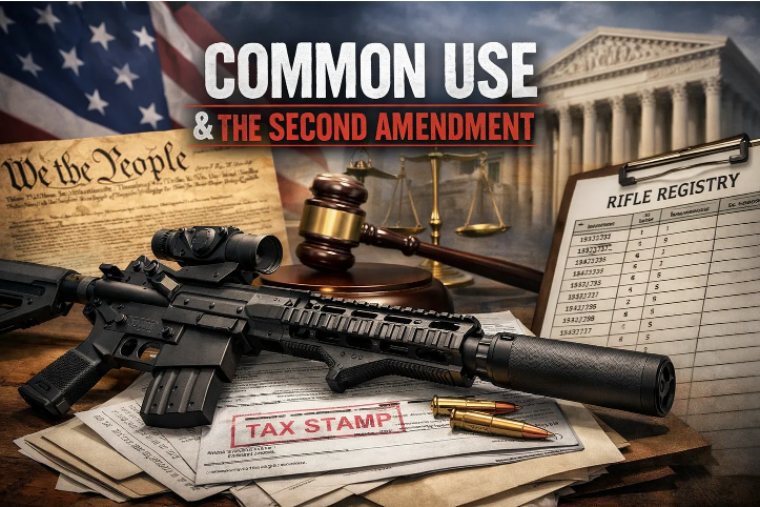
To address a thoughtful concern raised in comments: yes, a narrow victory on the tax alone might leave registration and other NFA controls intact. Could a legal challenge succeed only on a technical tax argument and still leave courts concluding that Congress has broad authority to regulate these items? That very concern highlights why the stronger path forward lies not in tax technicalities, but in forcing courts to confront the reality of widespread, lawful ownership under the Bruen framework.
It’s a fair warning. Winning on a narrow technicality may weaken the structure of the law, but it does not necessarily resolve the deeper constitutional question.
And that deeper question is where the real battle lies.
By Doris Wise